
EPISODE 2 – New scenarios – Outokumpu, Finland
Have you ever thought about disappearing?
Did you ever dream of being transparent to the judgy eyes that surrounded you?
Are you too mannered for other people’s taste?
How important is actually their opinion?
“When did you arrive to Germany?”
“How long have you been living here?”
“There are german courses paid by the JobCenter, did you know?
Are you afraid of expressing your identity?
“Why do you have blue nails?”
Is it possible to avoid being judged by your aspect or your expression of identity? By your accent?
Which elements would make us transparent to those judging?
Is being alone a way to be transparent?

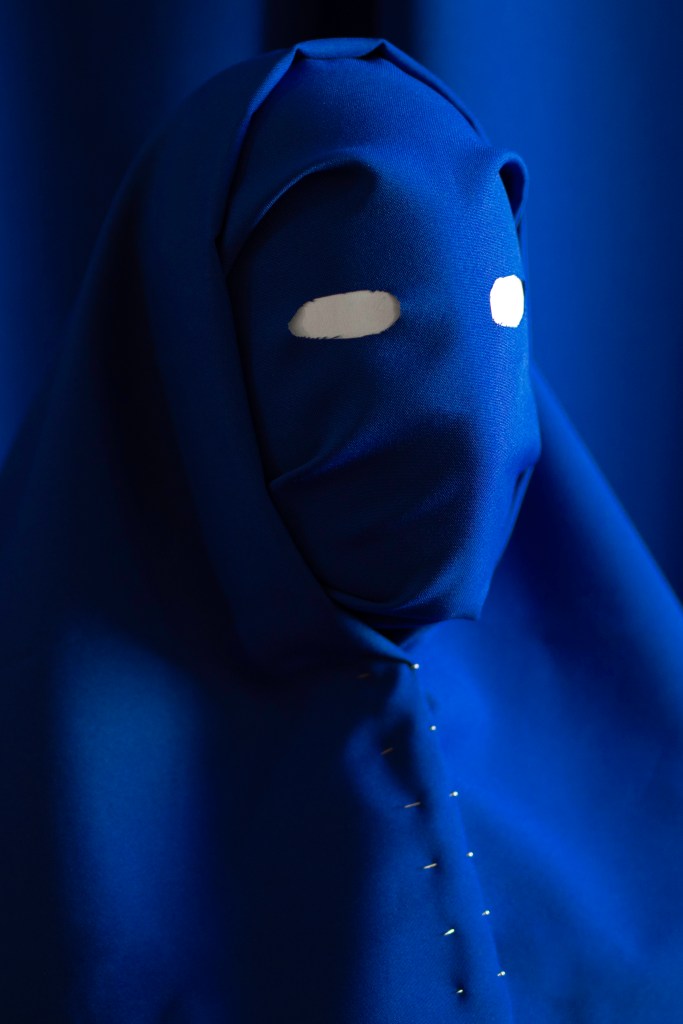
”Onai, sinárra, ioidar” analyses these questions through the symbolic use of the color blue, dissecting the role of language as a toolkit to merge into a very judgy society.

As a response to the Altonale’s call with the topic: “Transparence” I developed this concept in an artistic residency in North Karelia, Finland, within the Old Mine Residency, which tool part in March 2024. I researched the interactions of this blue fabric with a new context, relocating it into different scenarios and creating still and moving visuals of this dialogue. Offering it as a safe space for other people to interact and discover and seek that feeling of disappearing; analyzing the connections that can be established between nature, silence, fabric and human energies.
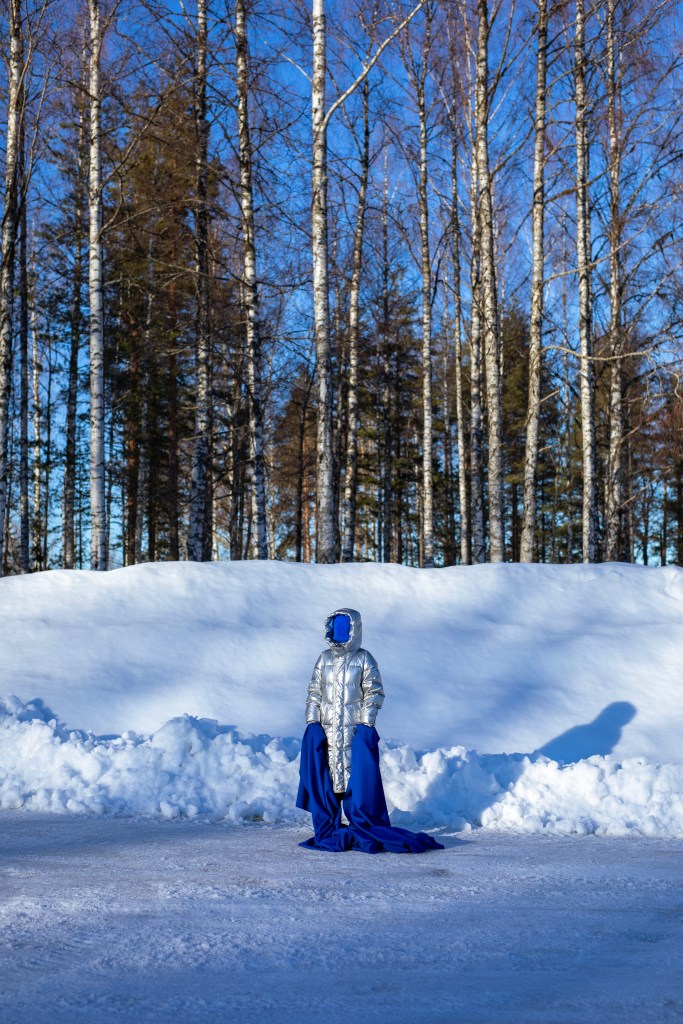

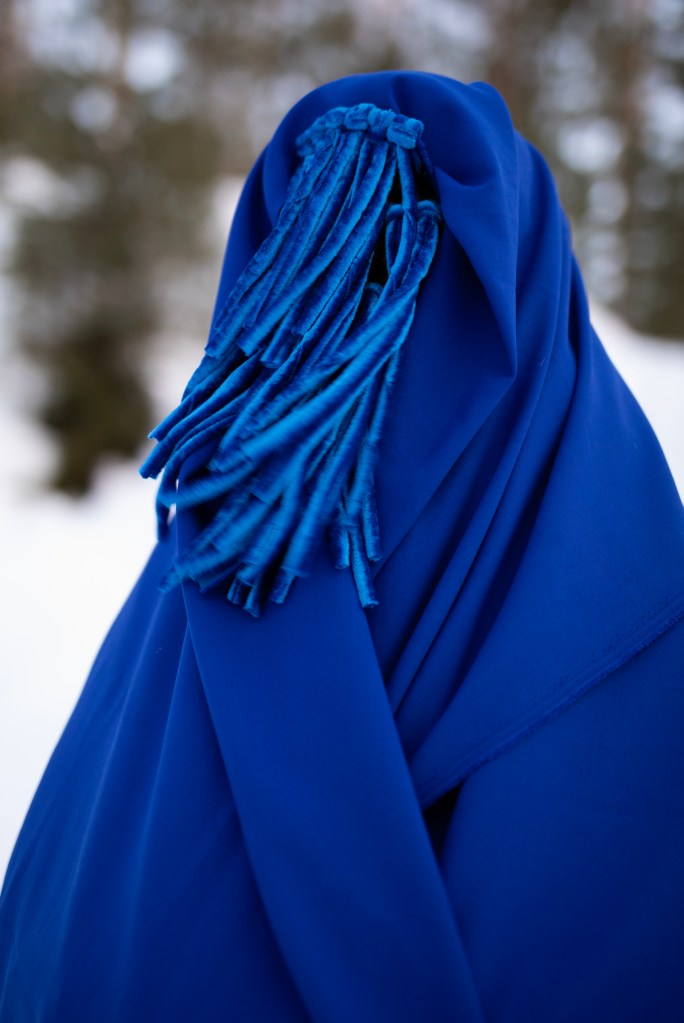
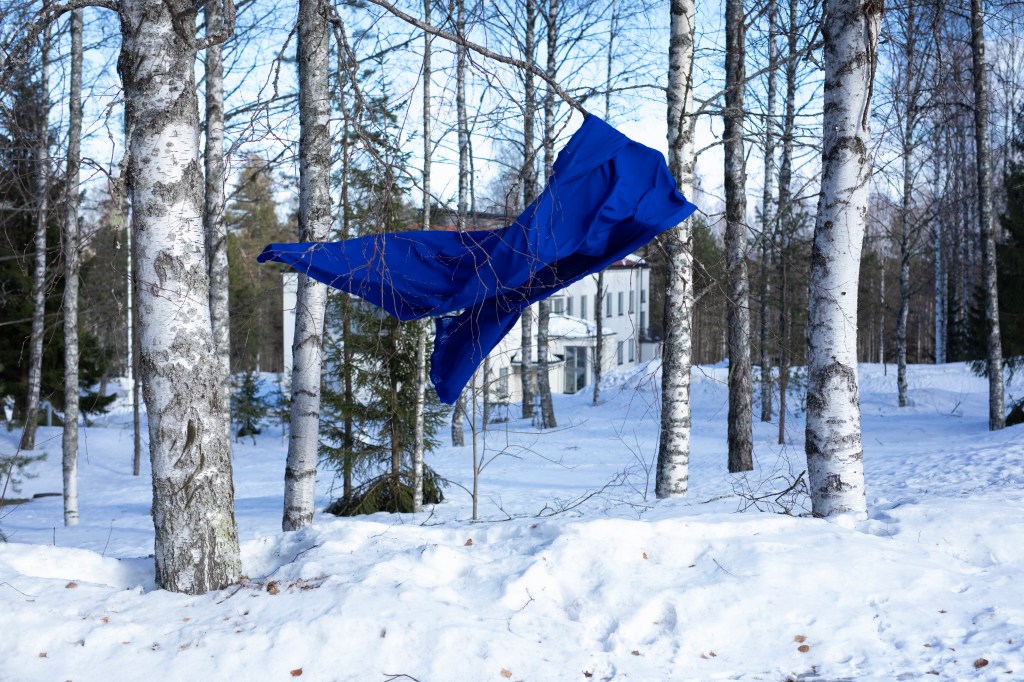

Film by Óscar Barbosa
Visual and conceptual research.
Old Mine Residency 2024 – Outokumpu, Finland.
I will keep deepening this research that has grounded me within myself and has had an effect on the people invited into it, opening conversations about identity, the feeling of belonging or not belonging and the importance of acknowledging the connection with our upbringings.
EPISODE 1 – Root, the origin / Extremadura – Berlin

SINÁRRA
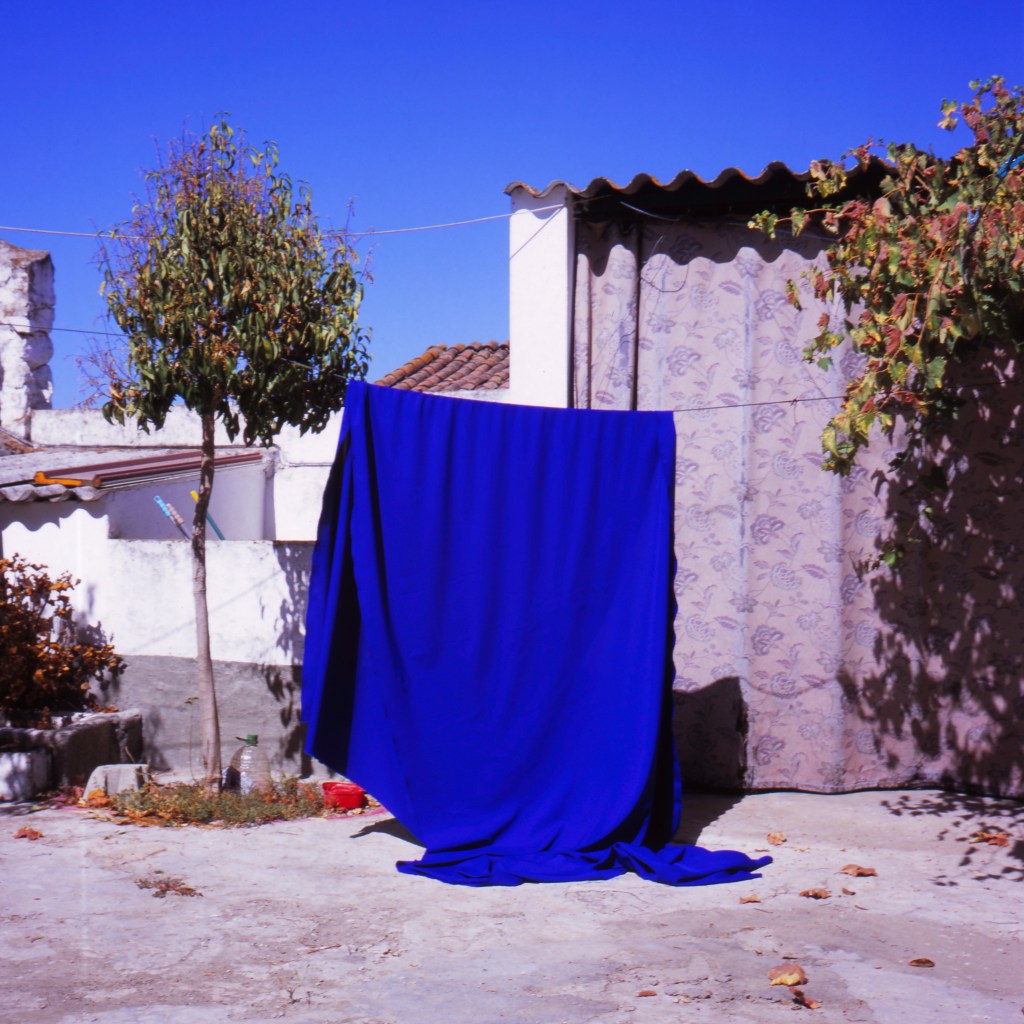
Extremadura. Spain. Granny’s backyard.
A blue fabric hangs from an old power cable now used as a clothes line.
A cane lifts the wire to avoid the dirt on the fabric.
The wind moves it slowly.
There is nobody around at this time in this place.
It’s also very hot, as usual, surely above 35°C.
The shadow of the fabric falls on the dry ground, I’m sure is fresher there. It falls above the tomb of Careto, the last dog my granny owned. He was a good dog, a bit hectic but he was still young. It was hit by a car a few months after my granny’s passing; he was having a walk around and that was it. Very sad.
Saying goodbye to an animal that belonged to a person that is dead is hard. It’s like saying goodbye to that person again. So abstract.
My father buried him there, maybe to keep him as the guardian of the kingdom that he was.
It’s strange being here.
It’s all so quiet.
The blue helps me calm down.
_
“onai, sinárra, ioidar” means “alone, quite, strange” in Damiá.
Three words that describe how I used to feel growing up, the disconnection with my homeland and its normativity, which almost felt to me like speaking a different tongue.
The Queer Tongue “Damiá” was created by the queer collective OnceWeWereIslands and as their long term collaborator, I was invited to participate as a visual artist in their project HomeComing – Greatest Hits! , in 2022. The challenge was about translating the concept of Damiá into still and moving images, conceptualizing a visual work that represents a language created by and for queer people and the meaning it would have for me.
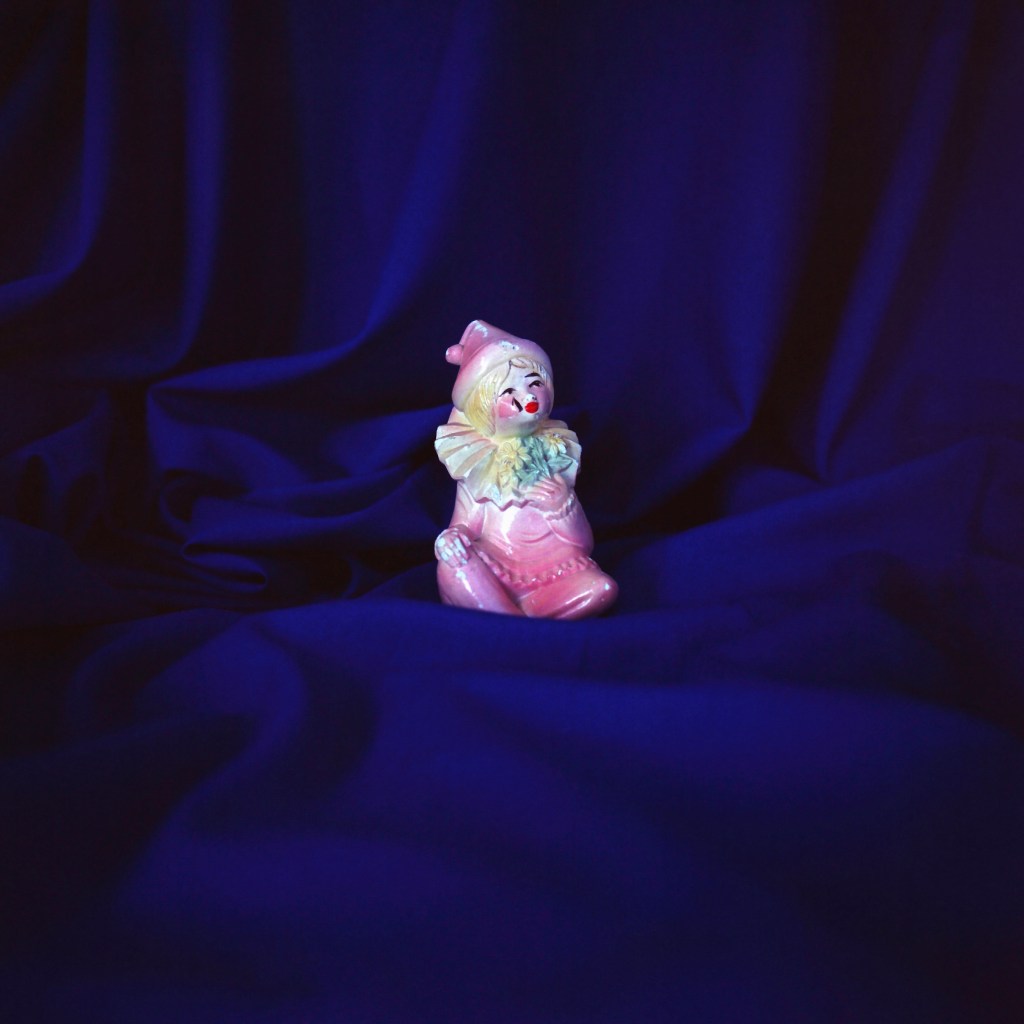
A mental deep dive into my upbringings made me analyze the feelings and thoughts I had while growing up. The idea of having a queer tongue that would help me connect with myself, my context, and other queer identities, appears to me as a tool that could have allowed me to merge, to be anonymous, to disappear in my surroundings, to be myself without feeling fearful or excluded.
Using five meters of klein blue fabric, I interpret Damiá as a safe space, a comfortable bubble that can be built and carried around oneself, a blue hug that keeps fears away and warms you up, despite the coldness of the color.

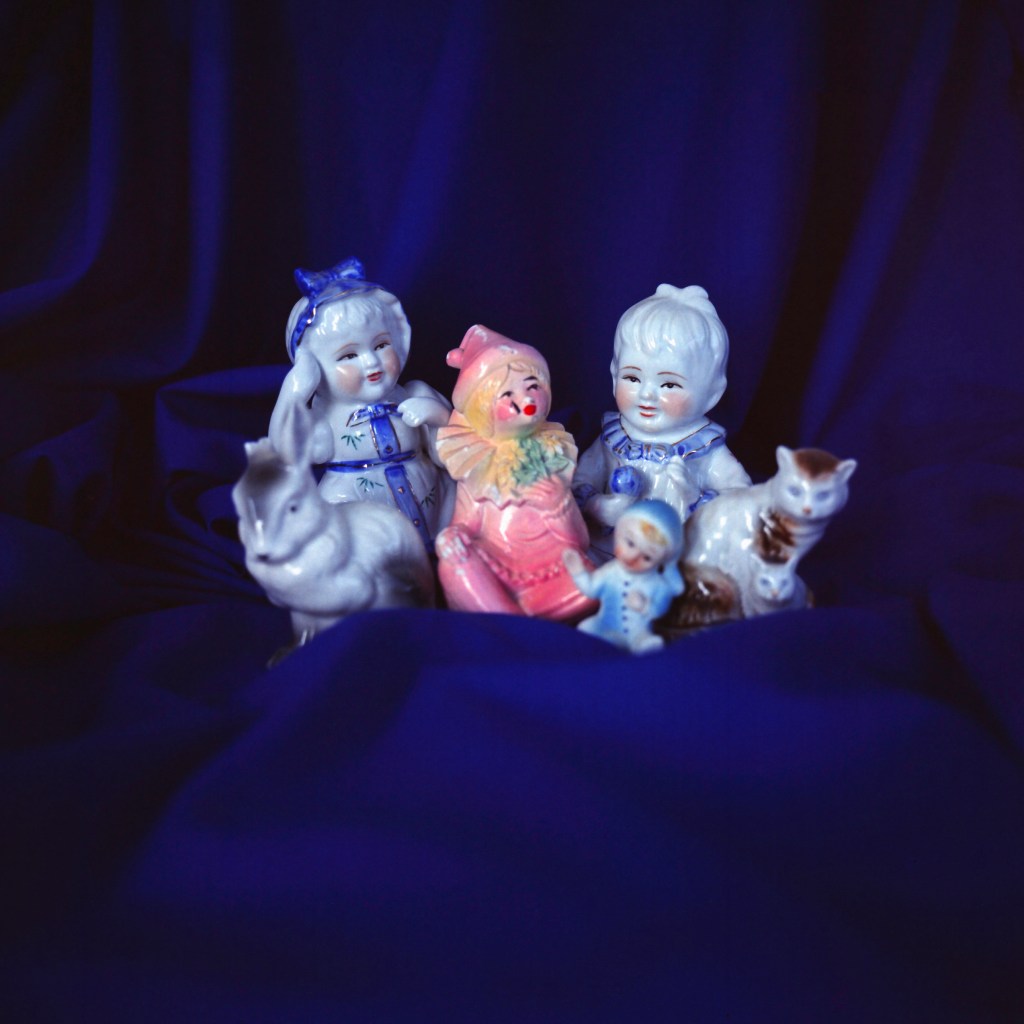
These work is a conceptual dialogue of this fabric, and the safe space it represents, with both my past and present, combining both contexts and forcing their interaction; drawing a line between this old dry village, my granny’s backyard, her porcelains and cleaning tools, and the green and moist bushes of the hidden cruising areas of Hasenheide, in Berlin.
The series were created together with a video art piece.
Film by Óscar Barbosa
Visual and conceptual research.
Extremadura – Berlin, 2022







LINKS
OnceWeWereIslands – Queer Performance Collective
 STUDIO BLUE BARBOSA